 12 ch.
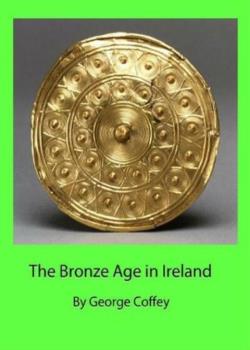
The Bronze Age in Ireland
English · On the rack since
The Bronze Age in Ireland is a novel in English. The chapters are read in the official app.
Keep reading in the official app
- 1 Install the official app from your store.
- 2 Open it and search for The Bronze Age in Ireland.
From the back cover
This book deals with the Bronze Age principally from the point of view of the implements and weapons in use in Ireland during that period. It is unnecessary to state that the materials for writing anything like a full account of the civilization or political organization during the Bronze Age do not exist; and even the ethnological affinities of the dominant race that inhabited Ireland during this period are doubtful. All that can be said is that there was apparently no gap between the end of the Neolithic Period and the transitional Copper to Bronze Period. Stone weapons continued in use side by side with those of copper and bronze; and the form of the former was sometimes actually influenced by those of the latter. There has been so little scientific excavation in Ireland that the question as to the early burial-customs is surrounded with difficulty; such evidence as there is, points to cremation having been practised early, as was also the case in Great Britain. Instances show that the two rites of inhumation and cremation were practised side by side. In the cairn excavated on Belmore Mountain, County Fermanagh, both burnt and unburnt interments were found with pottery and other objects of early Bronze-Age type.[1] At a recent excavation near Naas, County Kildare, a burnt interment was discovered in a cist, the remains being associated with a wrist-bracer and remains of pottery.[2] In the fine series of cairns on Carrowkeel Mountain, County Sligo, burnt and unburnt interments were found associated with pottery, bone implements, and stone beads.[3] At Annaghkeen, County Galway, a cremated burial was discovered in a cist associated with pottery and a small bronze knife-dagger and awl.[4] The Hon. John Abercromby gives a list of food-vessels found with cremated burials in Ireland, and to these must be added a food-vessel of early type found in 1912 in a quarry at Crumlin, County Dublin. It must, however, be left for future excavations to decide many questions to which at present no answer, or only a doubtful one, can be given. This, however, is certain—Ireland during the Bronze Age was not isolated, but stood in direct communication with the Continent. Ægean and Scandinavian influences can be detected in the great tumuli of the New Grange group[5]; and Iberian influence is discernible in some of the later types of bronze implements. Ireland, as will be shown in the chapters dealing directly with the gold objects, was, during the Bronze Age, a kind of western El Dorado, owing to her great richness in gold; Irish gold ornaments have been found both on the Continent and in Scandinavia; while Scandinavian amber has been found in Ireland. As will be seen on p. 81, the Bronze-Age people were acquainted with the art of weaving; and fine ornaments of horse-hair were sometimes used. The art of making pottery by hand was carried to a high degree of excellence. Shaving must have been fairly common, judging by the number of bronze razors found. We shall find evidence further on in this work to show that corn was probably grown and agriculture fairly advanced.
Contents
Every chapter of this book is read in the official app.
Chapter isn’t on this rack. Open the official app to pick up right there.
Readers also picked
- Cold ReckoningCh. 1 freeCold ReckoningReal Life
- The Honeymoon Game14 ch.The Honeymoon GameRomance
- A Mother's Wrath: Escaping the Seattle NightmareCh. 1–2 freeA Mother's Wrath: Escaping the Seattle NightmareReal Life
- Midnight Confessions:Forbidden Fantasies14 ch.Midnight Confessions:Forbidden FantasiesReal Life
- Apocalypse My Useless Skill Became S-RankReal Life
 57 ch.
- Hemlock and RosesReal Life
 26 ch.
- Heal Me Anyway16 ch.Heal Me AnywayReal Life
- Your Lie Cost You MeReal Life
 Ch. 1–2 free
- Unwanted Baby10 ch.Unwanted BabyReal Life
- THE FIFTY YEAR BARGAIN10 ch.THE FIFTY YEAR BARGAINReal Life
Questions at the counter
Where can I read The Bronze Age in Ireland?
In the official app. The buttons on this page take you there.
What is The Bronze Age in Ireland about?
This book deals with the Bronze Age principally from the point of view of the implements and weapons in use in Ireland during that period. It is unnecessary to state that the materials for writing anything like a full account of the civilization or political organization during the Bronze Age do not exist; and even the ethnological affinities of the dominant race that inhabited Ireland during this period are doubtful. All that can be said is that there was apparently no gap between the end of the Neolithic Period and the transitional Copper to Bronze Period. Stone weapons continued in use side by side with those of copper and bronze; and the form of the former was sometimes actually influenced by those of the latter. There has been so little scientific excavation in Ireland that the question as to the early burial-customs is surrounded with difficulty; such evidence as there is, points to cremation having been practised early, as was also the case in Great Britain. Instances show that the two rites of inhumation and cremation were practised side by side. In the cairn excavated on Belmore Mountain, County Fermanagh, both burnt and unburnt interments were found with pottery and other objects of early Bronze-Age type.[1] At a recent excavation near Naas, County Kildare, a burnt interment was discovered in a cist, the remains being associated with a wrist-bracer and remains of pottery.[2] In the fine series of cairns on Carrowkeel Mountain, County Sligo, burnt and unburnt interments were found associated with pottery, bone implements, and stone beads.[3] At Annaghkeen, County Galway, a cremated burial was discovered in a cist associated with pottery and a small bronze knife-dagger and awl.[4] The Hon. John Abercromby gives a list of food-vessels found with cremated burials in Ireland, and to these must be added a food-vessel of early type found in 1912 in a quarry at Crumlin, County Dublin. It must, however, be left for future excavations to decide many questions to which at present no answer, or only a doubtful one, can be given. This, however, is certain—Ireland during the Bronze Age was not isolated, but stood in direct communication with the Continent. Ægean and Scandinavian influences can be detected in the great tumuli of the New Grange group[5]; and Iberian influence is discernible in some of the later types of bronze implements. Ireland, as will be shown in the chapters dealing directly with the gold objects, was, during the Bronze Age, a kind of western El Dorado, owing to her great richness in gold; Irish gold ornaments have been found both on the Continent and in Scandinavia; while Scandinavian amber has been found in Ireland. As will be seen on p. 81, the Bronze-Age people were acquainted with the art of weaving; and fine ornaments of horse-hair were sometimes used. The art of making pottery by hand was carried to a high degree of excellence. Shaving must have been fairly common, judging by the number of bronze razors found. We shall find evidence further on in this work to show that corn was probably grown and agriculture fairly advanced.
We only stock the preview chapters and book details the publisher lets us show. The complete book is sold and read in the official app.