 27 ch.
The Practice and Science Of Drawing
English · On the rack since
The Practice and Science Of Drawing is a novel in English. The chapters are read in the official app.
Keep reading in the official app
- 1 Install the official app from your store.
- 2 Open it and search for The Practice and Science Of Drawing.
From the back cover
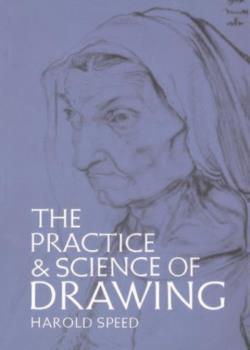
Much of the learning to practice as well as to appreciate art is concerned with understanding the basic principles. One of these principles is what Harold Speed calls "dither," the freedom that allows realism and the artistic vision to play against each other. Very important to any artist or work of art, this quality separates the scientifically accurate from the artistically accurate. Speed's approach to this problem is now considered a classic, one of the few books from the early years of this century that has continued to be read and recommended by those in the graphic arts.In this work, Harold Speed approaches this dynamic aspect of drawing and painting from many different points of view. He plays the historical against the scientific, theory against precise artistic definition. He begins with a study of line drawing and mass drawing, the two basic approaches the artist needs to learn. Further sections carry the artistic vision through unity and variety of line and mass, balance, proportion, portrait drawing, the visual memory, materials, and procedures. Throughout, Speed combines historical backgrounds, dynamic aspects which each technique brings to a work of art, and specific exercises through which the young draughtsman may begin his training. Although not a technique book in the strict sense of the terms, The Practice and Science of Drawing brings to the beginner a clear statement of the principles that he will have to develop and their importance in creating a work of art. Ninety-three plates and diagrams, masterfully selected, reinforce Speed's always clear presentation.Harold Speed, master of the art of drawing and brilliant teacher, has long been cited for this important work. For the beginner, Speed will develop a sense for the many different aspects which go into an artistic education. For the person who enjoys looking at drawings and paintings, Speed will aid developing the ability to see a work of art as the artist meant it to be seen.
Contents
Every chapter of this book is read in the official app.
Chapter isn’t on this rack. Open the official app to pick up right there.
- Chapter 1In the app
- Chapter 2In the app
- Chapter 3In the app
- Chapter 4In the app
- Chapter 5In the app
- Chapter 6In the app
- Chapter 7In the app
- Chapter 8In the app
- Chapter 9In the app
- Chapter 10In the app
- Chapter 11In the app
- Chapter 12In the app
- Chapter 13In the app
- Chapter 14In the app
- Chapter 15In the app
- Chapter 16In the app
- Chapter 17In the app
- Chapter 18In the app
- Chapter 19In the app
- Chapter 20In the app
- All 27 chapters ›
Readers also picked
- Reborn Groom to the Heiress' Twisted SisterReal Life
 Ch. 1–2 free
- Billonaire's Poisonous LoveBillionaire
 71 ch.
- The Tiger Told Me Who the Killer WasWerewolf
 Ch. 1–2 free
- Apocalypse My Useless Skill Became S-RankReal Life
 57 ch.
- Midnight Confessions:Forbidden Fantasies14 ch.Midnight Confessions:Forbidden FantasiesReal Life
- Hemlock and RosesReal Life
 26 ch.
- Your Lie Cost You MeReal Life
 Ch. 1–2 free
- Who's Laughing Now?Real Life
 Ch. 1–2 free
- Heal Me Anyway16 ch.Heal Me AnywayReal Life
- He Chose My Stepsister, I Left Him ForeverReal Life
 Ch. 1–2 free
Questions at the counter
Where can I read The Practice and Science Of Drawing?
In the official app. The buttons on this page take you there.
What is The Practice and Science Of Drawing about?
Much of the learning to practice as well as to appreciate art is concerned with understanding the basic principles. One of these principles is what Harold Speed calls "dither," the freedom that allows realism and the artistic vision to play against each other. Very important to any artist or work of art, this quality separates the scientifically accurate from the artistically accurate. Speed's approach to this problem is now considered a classic, one of the few books from the early years of this century that has continued to be read and recommended by those in the graphic arts.In this work, Harold Speed approaches this dynamic aspect of drawing and painting from many different points of view. He plays the historical against the scientific, theory against precise artistic definition. He begins with a study of line drawing and mass drawing, the two basic approaches the artist needs to learn. Further sections carry the artistic vision through unity and variety of line and mass, balance, proportion, portrait drawing, the visual memory, materials, and procedures. Throughout, Speed combines historical backgrounds, dynamic aspects which each technique brings to a work of art, and specific exercises through which the young draughtsman may begin his training. Although not a technique book in the strict sense of the terms, The Practice and Science of Drawing brings to the beginner a clear statement of the principles that he will have to develop and their importance in creating a work of art. Ninety-three plates and diagrams, masterfully selected, reinforce Speed's always clear presentation.Harold Speed, master of the art of drawing and brilliant teacher, has long been cited for this important work. For the beginner, Speed will develop a sense for the many different aspects which go into an artistic education. For the person who enjoys looking at drawings and paintings, Speed will aid developing the ability to see a work of art as the artist meant it to be seen.
We only stock the preview chapters and book details the publisher lets us show. The complete book is sold and read in the official app.